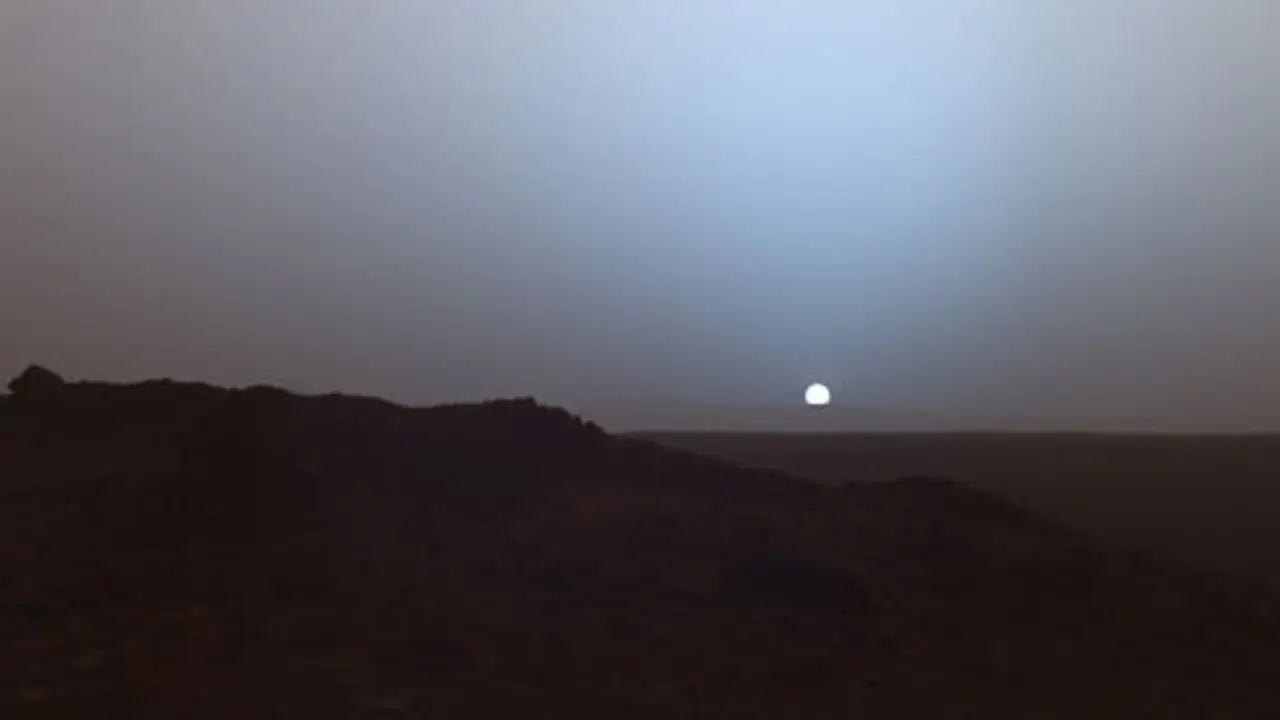
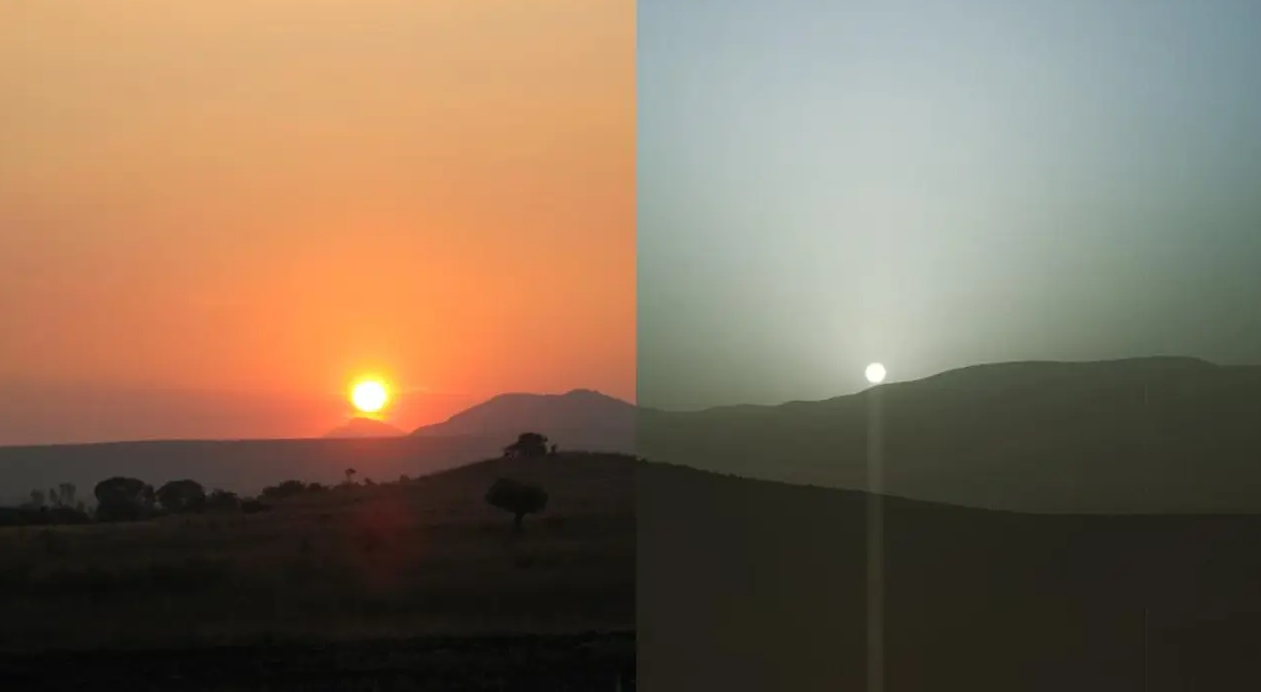
In 2005, NASA’s Spirit rover captured a rare Martian sunset over Gusev crater. With a bluish glow, longer twilight, and a smaller Sun, this stunning image reveals the unique beauty and science of sunsets on Mars, unlike anything on Earth.
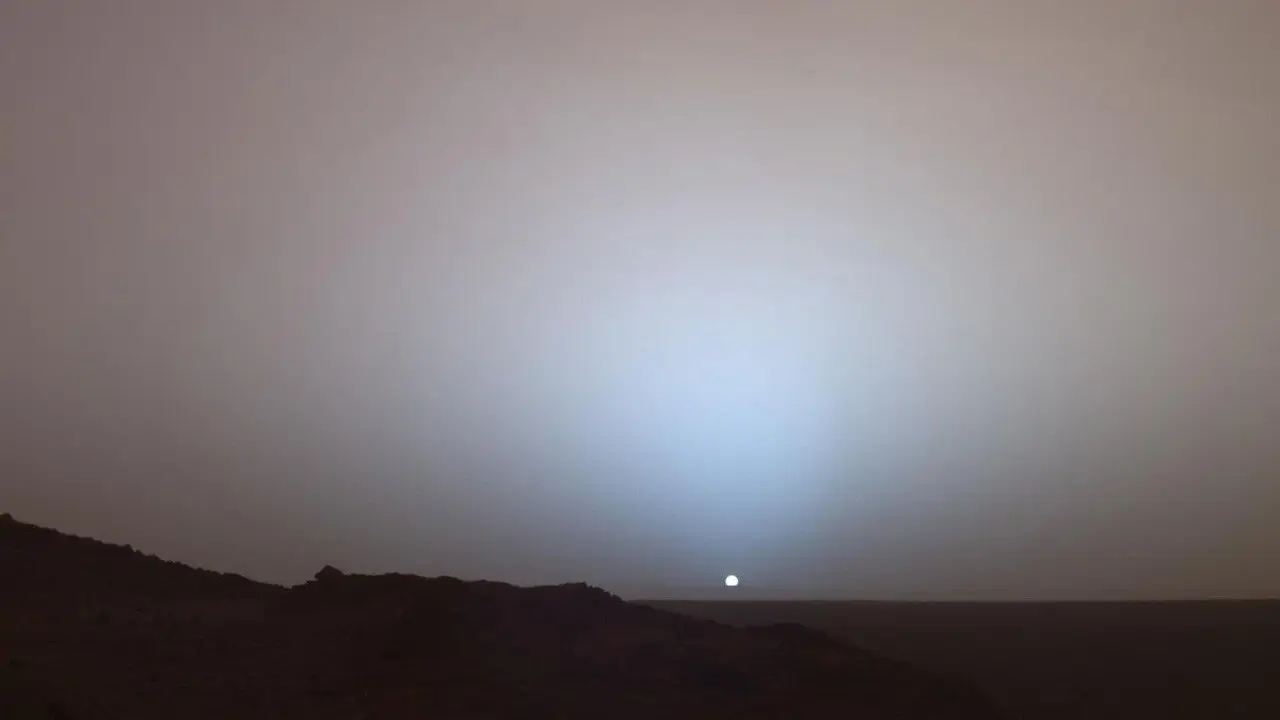
A Sunset on Mars, 2005
On 19 May 2005, NASA’s Spirit rover captured a breathtaking sunset over Gusev crater on Mars. This rare image shows the Sun dipping below the Martian horizon, painting the sky in unique colours.
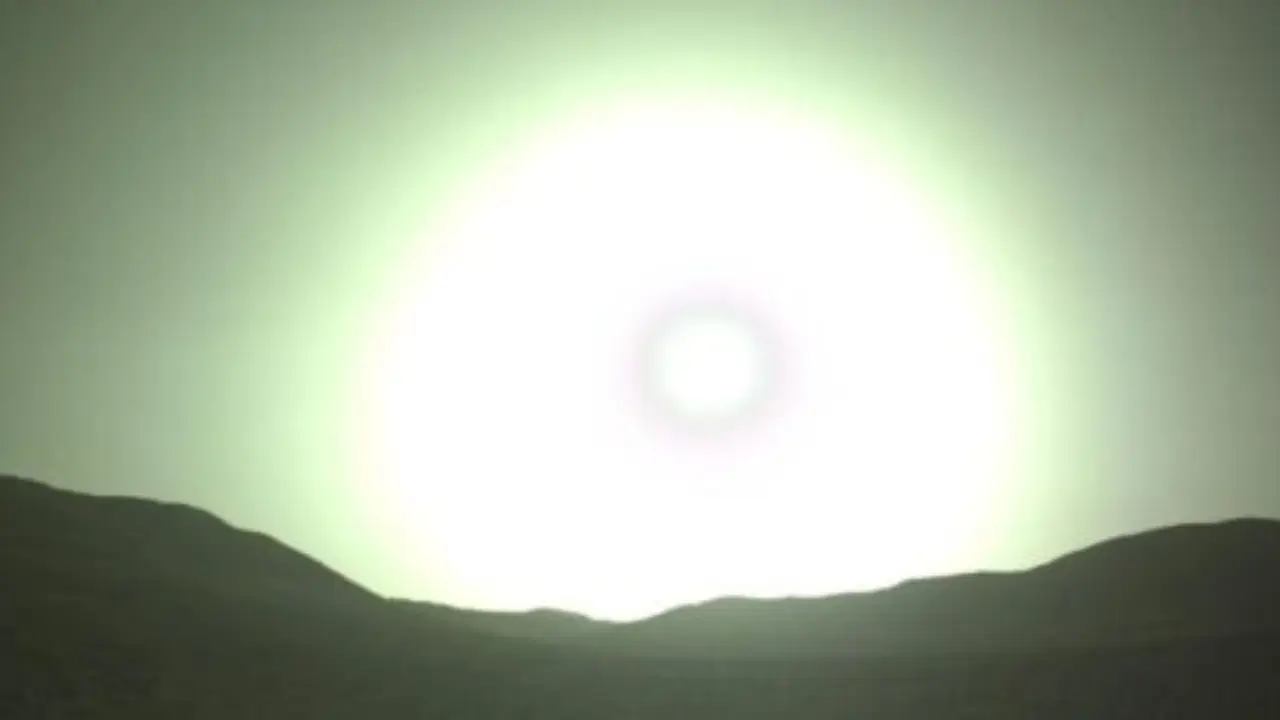
Spirit’s Special Camera Magic
The rover used its Panoramic Camera with special filters to create a mosaic of the western sky. These filters exaggerate colours, giving us a view close to what humans would see, but even more vivid.
A Blue Glow Above the Sun
Unlike Earth’s sunsets, Mars shows a bluish glow above the Sun. This effect is real and would be visible to our eyes, caused by fine dust high in the Martian atmosphere.
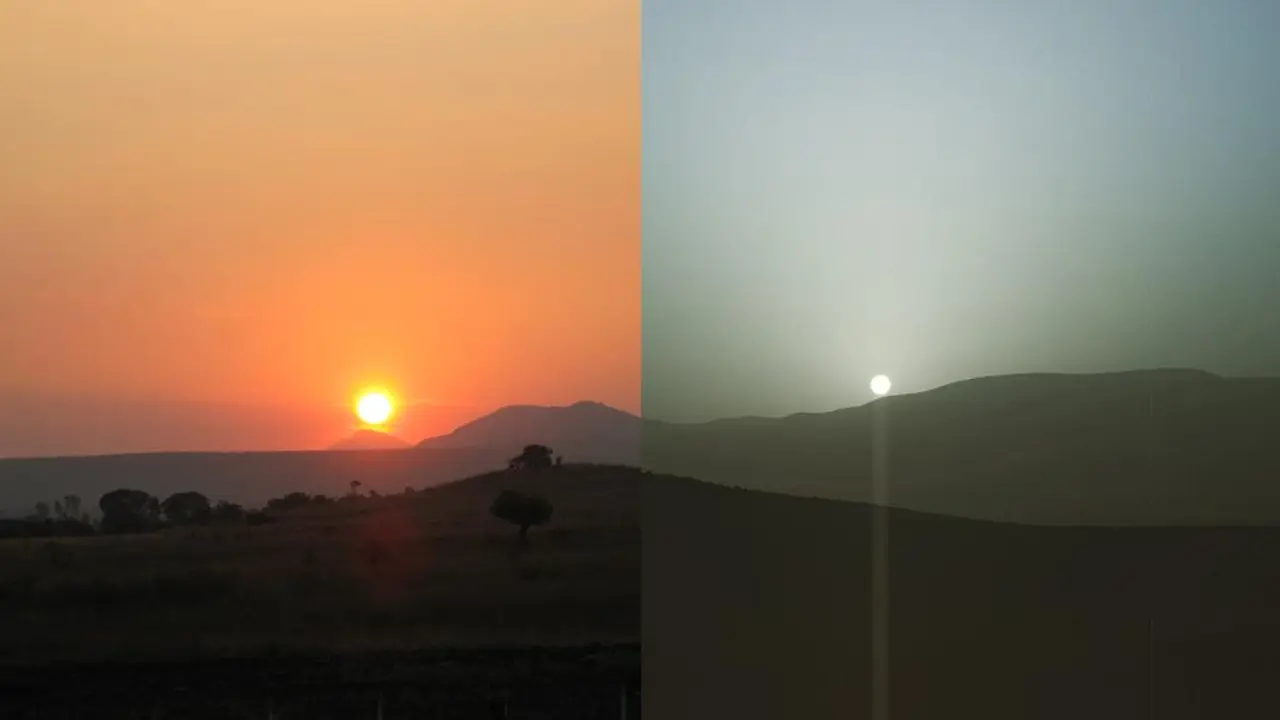
The Sun Looks Smaller on Mars
Since Mars is farther from the Sun, the Sun appears only two-third the size it does from Earth. This makes the Martian sunset look even more distant and mysterious.
Exploring Gusev Crater’s Edge
In the foreground, you can spot the rocky outcrop called “Jibsheet” and faint rover tracks. The Sun sets behind the far wall of Gusev crater, about 80 kilometres away.
Why Martian Twilights Last Longer
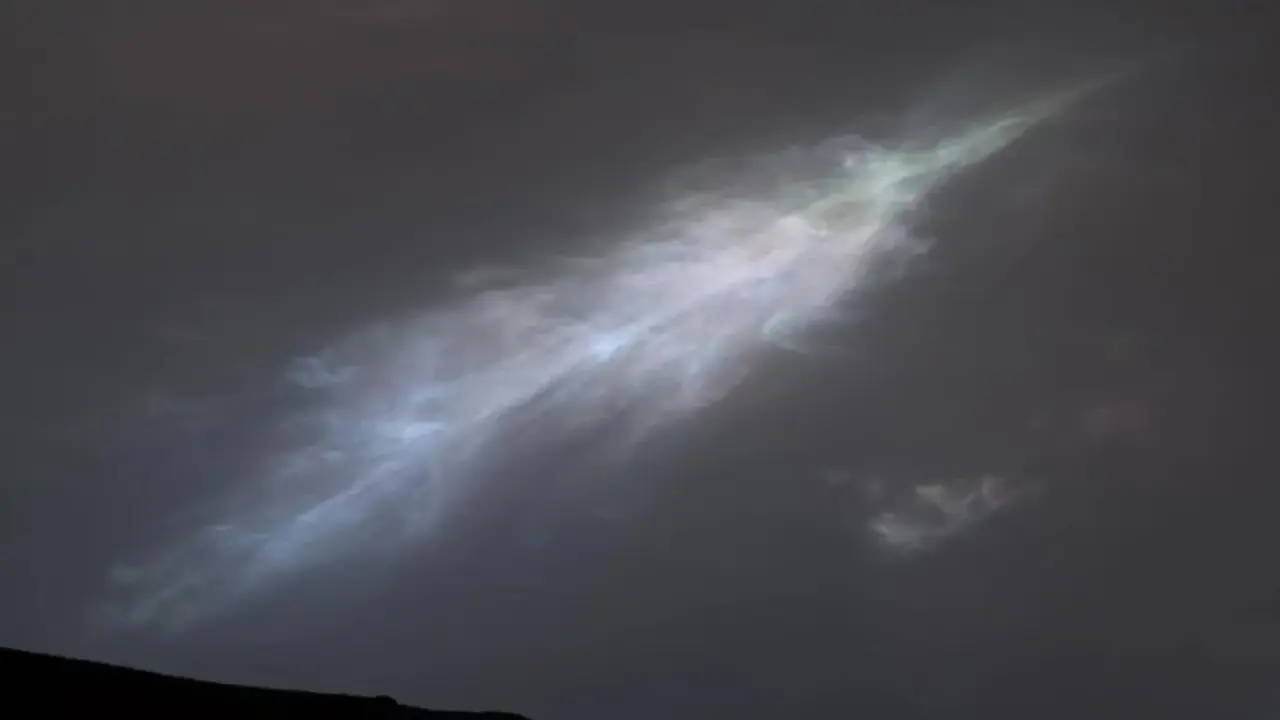
Mars has long, colourful twilights. Dust high in the air scatters sunlight, making the glow last up to two hours after sunset. On Earth, similar effects happen after big volcanic eruptions.
Science and Beauty in One Shot
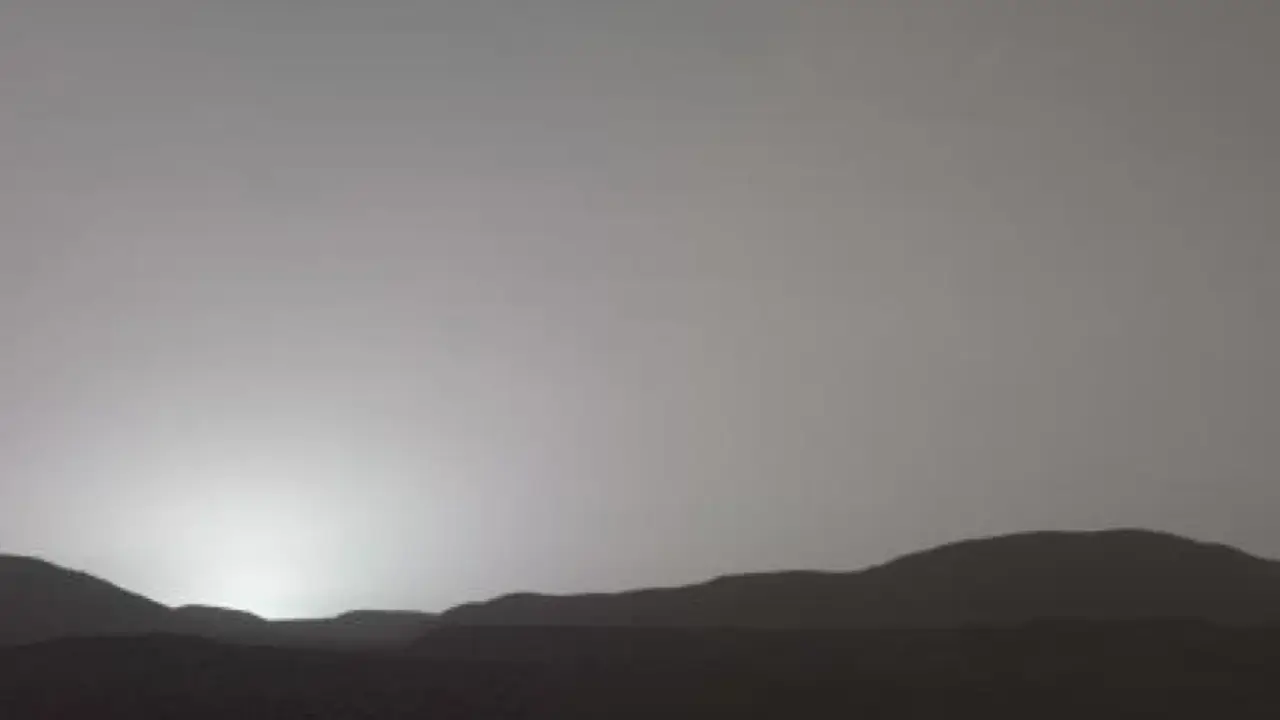
These sunset images help scientists study Martian dust and clouds. But they also remind us of the beauty and wonder waiting on other worlds, far from home.
 Photographer Finds Locations Of 1960s Postcards To See How They Look Today, And The Difference Is Unbelievable
  Hij zet 3 IKEA kastjes tegen elkaar aan en maakt dit voor zijn vrouw…Wat een gaaf resultaat!!
 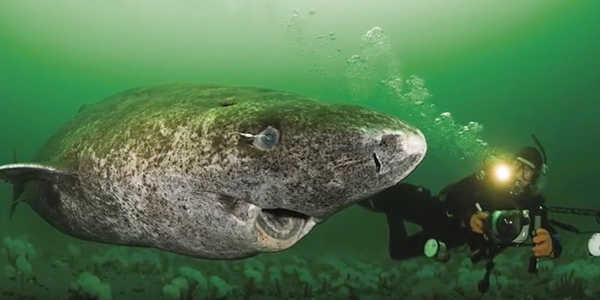 Scientists Discover 512-Year-Old Shark, Which Would Be The Oldest Living Vertebrate On The Planet
  Hus til salg er kun 22 kvadratmeter – men vent til du ser det indvendigt
  Superknepet – så blir snuskiga ugnsformen som ny igen!
 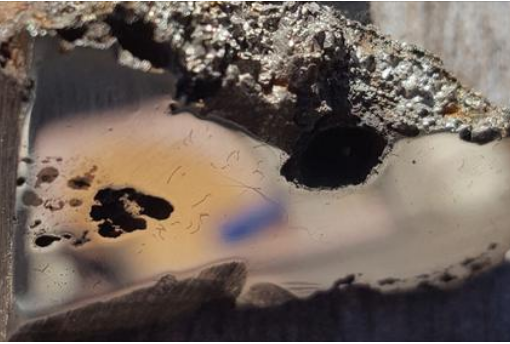 Meteorite That Recently Fell in Somalia Turns Out to Contain Two Minerals Never Before Seen on Earth
 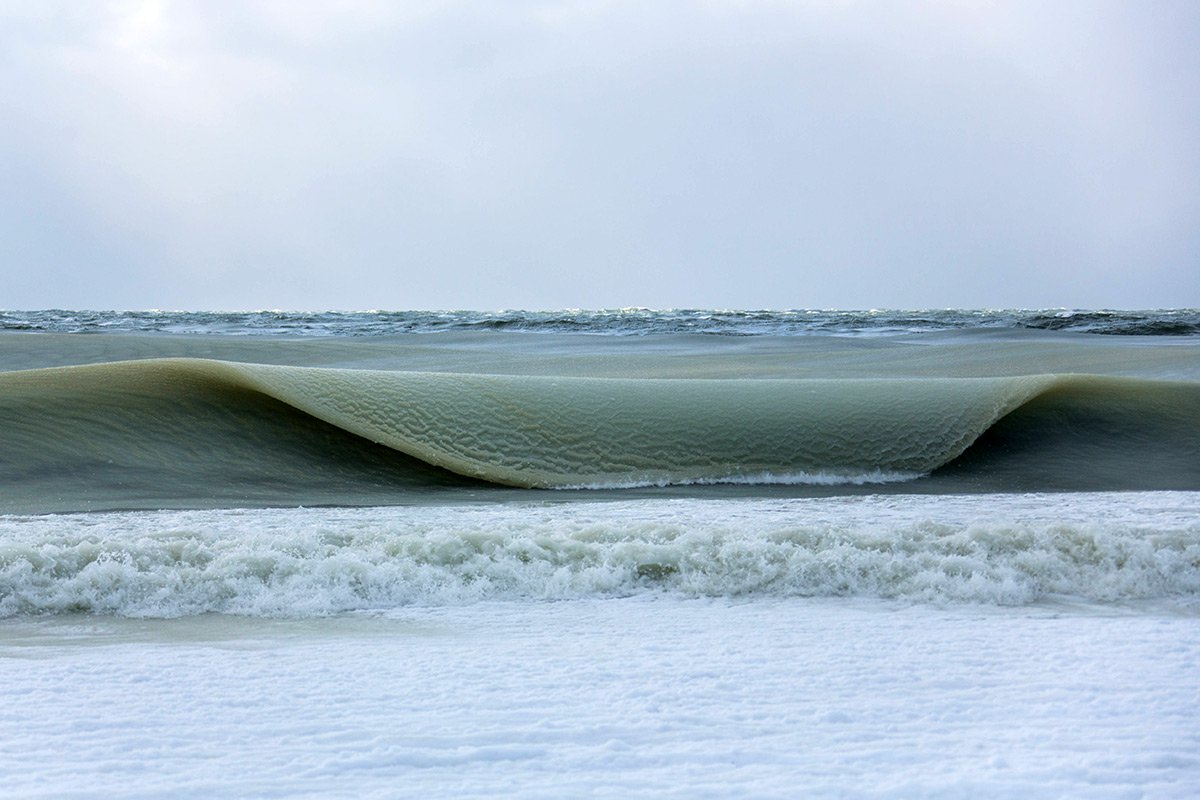 Nearly Frozen Waves Captured On Camera By Nantucket Photographer
 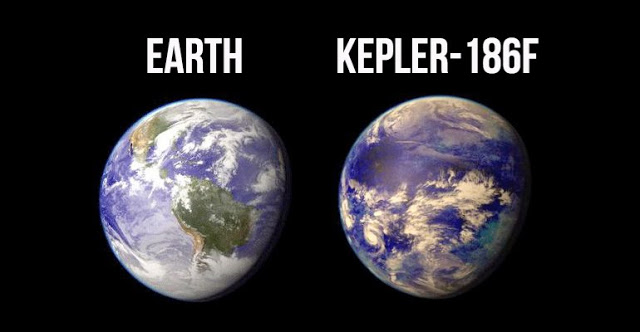 It’s Official: Astronomers Have Discovered another Earth